A Target So Fine, We Hit It Six Times
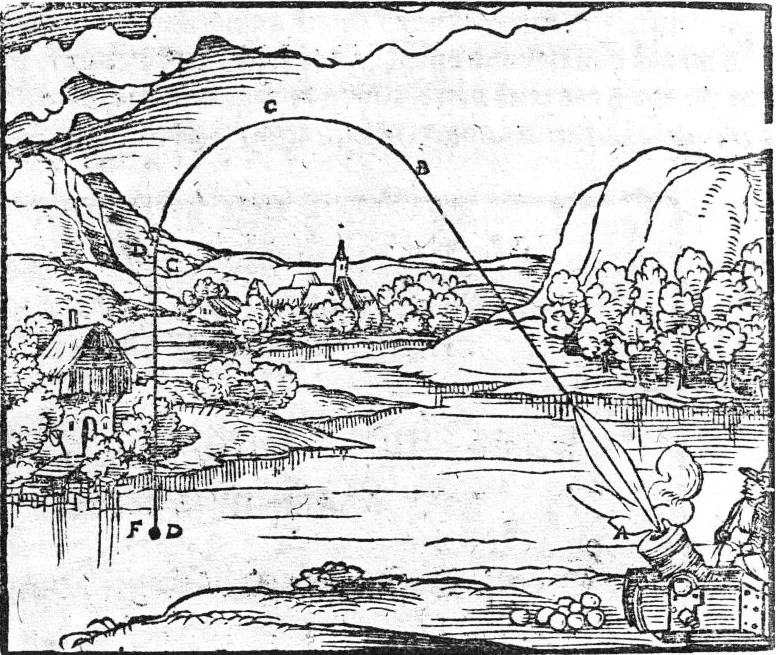
Imagine a cannon, firing a shell into the air. What path will the shell follow? How far will it travel? How long will it remain airborne? Below is woodcut by Walther Hermann Ryff, a 16th century mathematician, examining this question. At the time, most theorists thought that cannonballs traveled in straight-line segments and circular arcs, stitched together.
GRE Math Subject Test
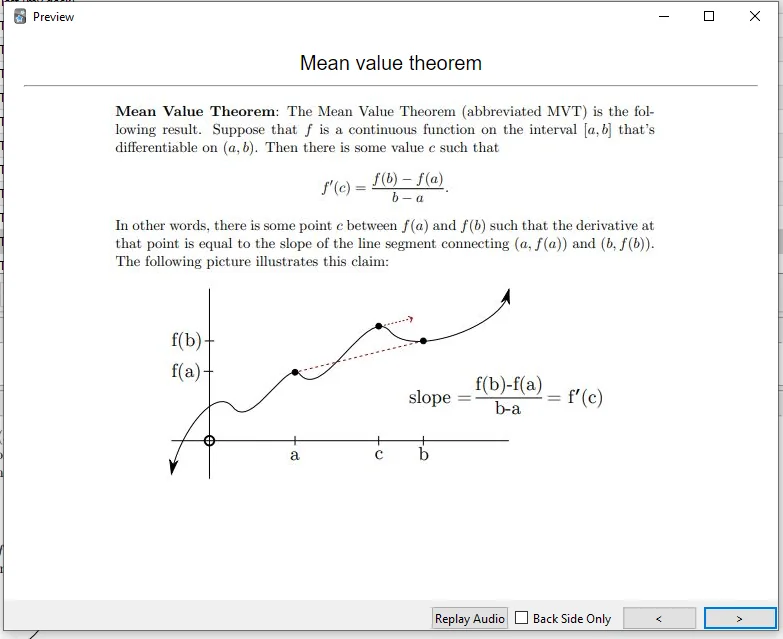
My blog has been pretty quiet recently, because I’ve been focusing on studying for the GRE Mathematics Subject Test. I think this test is sort of unique among popular, standardized tests, because the problems on it are very difficult. There are 66 questions on each test, and it must be done in 2 hours and 50 minutes. That means the test-taker has 2 minutes and 35 seconds to answer questions like these:
Watchbill Planning with Integer Programming
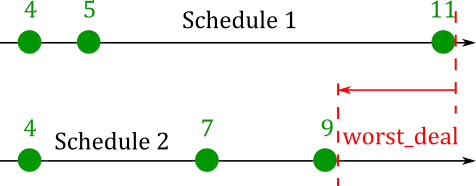
***Check out GitHub for my code!***
This month, I begin my third year serving aboard a PCU in the shipyard. This has offered me some unique challenges, among them, personnel management. When a Junior Officer like me shows up to the boat, they need to leave to get experience aboard an operational submarine, so they can be qualified to fully contribute when they get back here. I did this myself on USS John Warner in 2020. These rides are unpredictable: boat schedules constantly shift, along with the number of people they can support aboard. People have their own commitments, at work and in their personal lives. Work in the shipyard also demands some fraction of our officer population.
Mapping My Backyard
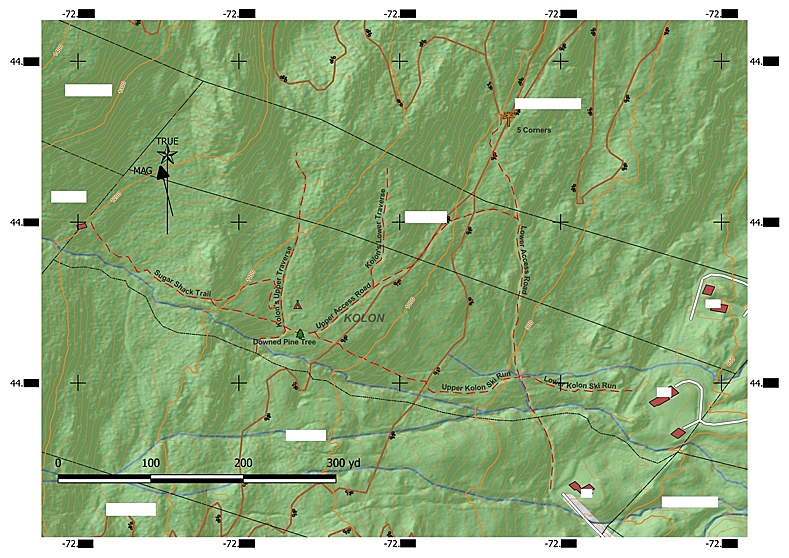
I was lucky enough to get a few weeks of leave for Christmas, so I went home to my family’s house in Vermont with my wife, Jackie, and our cat. In between camping and ski-hiking, I was looking for another little project.
My parents bought the land which our house is on when we still lived in Beijing, and there’s a lot of history in the woods. Only two modern roads survive in the immediate area, but if you go into the woods it’s clear that there used to be others, which have been neglected for a long time. The woods are also home to an entire system of bike trails, maintained by the Brewster River Mountain Bike Club, of which my dad is a member. There’s a lot going on up there, but if you look at Google Maps, it’s utterly empty.
Testing Torpedos Part 2
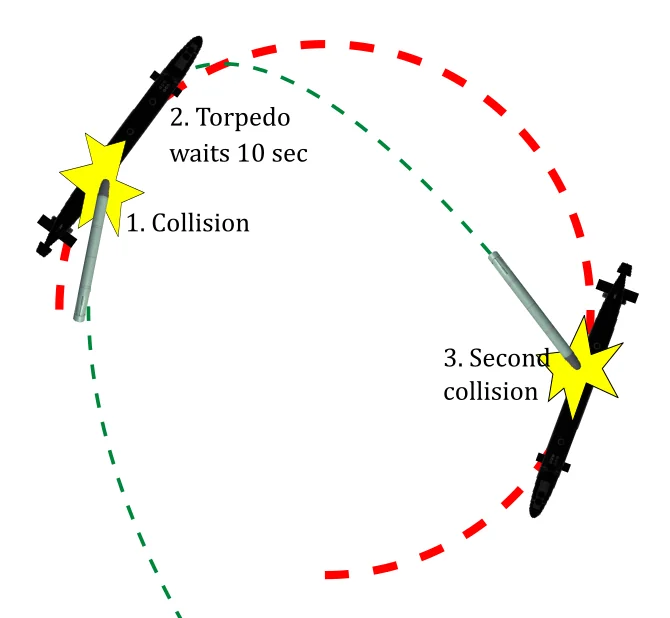
A while back I wrote an article about torpedo guidance strategy in a submarine game. The concept was to compare five different methods of torpedo control, and to implement each in C#. In this follow-up, I test each one and compare them, to see which is most effective.